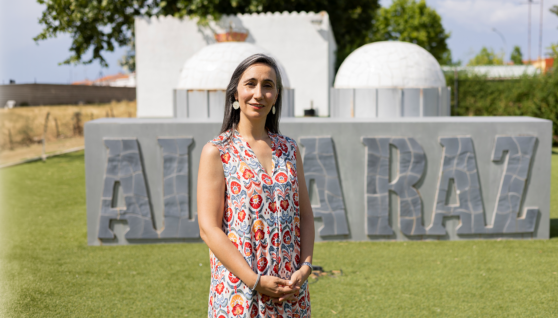
Marta Ugalde
Head of Corporate Independent Nuclear Oversight at CNAT"The Spanish nuclear sector is internationally recognized as a benchmark of excellence"
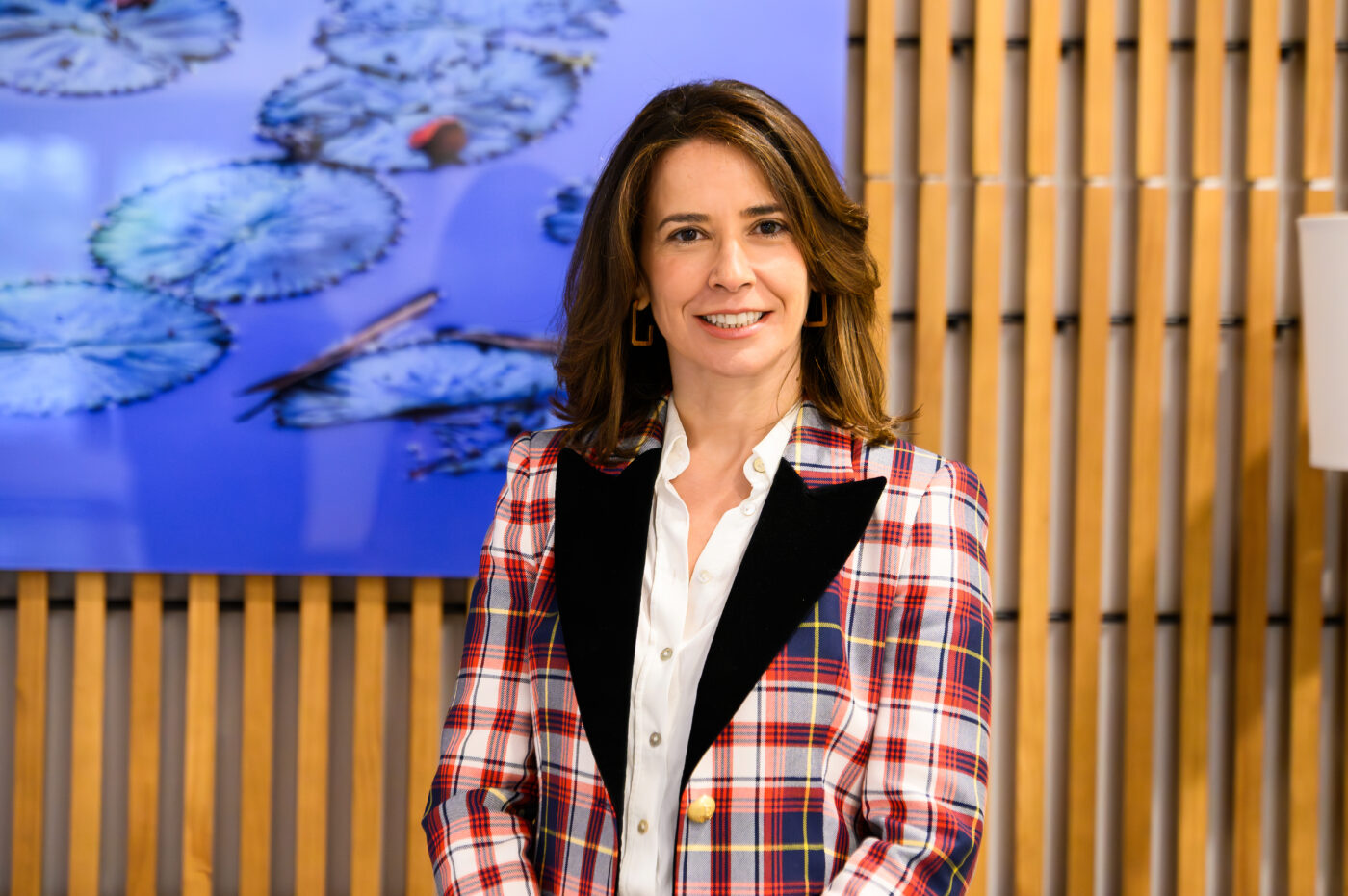
Marta Ugalde initiated her career at Almaraz-Trillo Nuclear Power Plants (CNAT) in 2007, and has been Corporate Independent Nuclear Oversight and International Coordination since 2023. This industrial engineer has extensive international experience in safety culture, regulatory compliance and process oversight in nuclear facilities. In January 2026, she will combine her role at CNAT with the presidency of the representatives of nuclear operators in the world association, (WANO). In this interview with Foro Nuclear, she affirms that “the Spanish nuclear sector is internationally recognized as a benchmark of excellence.”
How did your professional career begin, and what led you to specialize in the nuclear field?
My career in the nuclear sector began in 1999, after completing the Energy Techniques specialization at the Polytechnic University of Madrid. During my studies, my professors were able to convey the passion and rigor inherent to this technology. This motivated me to join the nuclear safety department, first at Iberdrola Ingeniería, where I began my professional path, and later, starting in 2007, at Almaraz-Trillo Nuclear Power Plants (CNAT). There, I worked on projects such as the Almaraz power uprate and several operating-license renewal.
From the start, I was drawn to the responsibility of ensuring safety and operational excellence, core values of the nuclear industry. My career has always evolved in line with the needs of the sector, which led me to specialize in risk management and independent oversight, convinced that these roles are essential to achieving the highest international standards.
What are your main responsibilities at CNAT, and how do they contribute to operational safety and excellence?
As Head of Corporate Independent Nuclear Oversight at CNAT, I lead the implementation of an additional layer designed to reinforce the safety and reliability of our sites. The goal is to ensure sustainable compliance with the highest international operating standards, and to consolidate these standards as a reference in the sector.
“At CNAT we are working to strengthen a culture of operational excellence across our facilities”
I also represent CNAT in the World Association of Nuclear Operators (WANO). This role allows me to understand the global state of the nuclear sector, coordinate WANO’s evaluations, and promote the exchange of experiences among international operators. Through this, we can incorporate best international practices and strengthen a culture of operational excellence in our sites.
You currently serve as liaison coordinator between your organization and WAesNO Paris. Beginning in 2026, you will become Chair of the WANO Interface Officers in Paris. What does this appointment reprent?
The Head's main function is to represent the nuclear industry before WANO’s executive team, addressing governance, communication, and strategic issues. The role also involves global coordination among regional centers in Atlanta, Moscow and Tokyo, as well as offices in London and Shanghai, ensuring consistency and the exchange of best practices worldwide.
The greatest challenge is promoting strategic alignment among 22 operators across three continents, ensuring that all nuclear power plants maintain the highest standards of safety culture and operational reliability.
Within WANO, you also serve on the Committee that advises Nuclear Business Directors. What key topics are being discussed internationally, and how do they affect Spain?
In the Advisory Committee, we promote strategic alignment among directors of nuclear operating companies to achieve shared goals of safety and excellence. We identify areas for improvement and form working groups with leading professionals, addressing key issues such as organizational effectiveness, equipment quality and reliability, which directly enhance the performance of nuclear power plants.
The ultimate challenge is to ensure that all plants, especially those in emerging countries or in early stages of development, achieve the highest standards of nuclear safety culture and professionalism.
How is Spain’s planned nuclear phaseout perceived internationally, and what is the global view of Spain’s nuclear sector?
The Spanish nuclear sector is internationally recognized as a benchmark of excellence. Spanish nuclear plants are considered among the best in the world and are respected and recognized by other countries.
For this reason, the planned shutdown raises some technical concerns among the international community. At the same time, there is confidence that Spain will reassess its energy policy in line with the trend seen in many countries that have revised their strategies to reinforce or restore nuclear energy in recent years.
"The planned shutdown of Spanish nuclear power plants raises some technical concerns among the international community"
This expectation is supported by facts such as the EU recognizing the key role of nuclear power to ensure energy security and the decarbonization of Europe, as well as the commitment signed by 33 countries at COP30 to triple global nuclear capacity by 2050, recognizing its essential role to reach climate goals, with more than 60 reactors currently under construction.
Could you mention a country that has recently reversed its nuclear shutdown plans?
Sweden is a clear example. After shutting down four reactors due to the high level of taxation, it has completely reversed its energy policy and now plans to triple its installed nuclear capacity over the next two decades. To achieve this, the Swedish government will provide state support for new reactor construction projects, helping to ensure greater grid stability, lower system costs and more jobs, as well as “better conditions for the climate transition,” in the words of the Swedish minister.
“Sweden went from a planned phaseout to a proyect to triple of its nuclear capacity within two decades"
Spain should look to Sweden as an example to avoid repeating the same mistakes. We need to keep all our plants operating to ensure a stable electricity supply, strengthen the country’s energy autonomy, and move effectively toward climate commitments.
What international lessons could help Spain make informed decisions about the future of this energy source?
In recent years, we have observed a significant global shift in favor of nuclear energy. Many countries have revised their energy strategies to reinforce or restore nuclear power as a tool for security of supply, competitiveness, and decarbonization.
In the United States, the regulator has approved operating licenses of up to 80 years for nine reactors using technology similar to Spanish nuclear plants — for example, North Anna, a twin of Almaraz and Ascó. This is a clear demonstration that long-term operation is safe, as well as viable from a technical and regulatory perspective.
In this sense, Spain seems to move in the opposite direction from the world's most industrialized nations.
"Spain, an international reference in nuclear operation, should evaluate its energy policy in line with the global trend toward maintaining this technology"
Spain's nuclear power plants consistently demonstrate very high performance, and our nuclear sector enjoys strong international prestige. The same is true of Spain’s auxiliary industry, composed of technology developers, engineering firms, service companies, and equipment and fuel manufacturers. It is a powerful industrial network with a strong global presence and highly qualified professionals.
In short, Spain has an excellent, high-value nuclear industry, recognized worldwide, built over decades of effort, which is now at risk of disappearing without an objective justification.
What does it mean for the Almaraz and Trillo nuclear power plants to hold a WANO 1 rating?
WANO evaluates all nuclear power plants every four years and places them in five categories. The sector’s goal is for all plants to be in categories 1 or 2 by 2030 — a benchmark already met by the Spanish fleet, which operates at the highest levels of excellence.
Almaraz and Trillo hold category 1, the highest distinction; Almaraz has had it since 2020, and Trillo since 2022. This achievement reflects exemplary performance and strict adherence to international standards of excellence.
“Almaraz and Trillo rank among the world’s top performers, an asset Spain should consider in its energy policy.”
Maintaining WANO 1 at Almaraz for eight consecutive years demonstrates a firm commitment to continuous improvement and consolidates its leadership within the nuclear sector.
Is there anything else you would like to add?
The world is moving toward greater nuclear capacity because experience shows that, without reliable, safe and emissions-free electricity generation, it is impossible to achieve industrial competitiveness or climate goals.
Spain has a nuclear fleet that ranks among the best in the world, along with highly skilled professionals. Preserving this strategic asset is not only a technological matter; it is also a State-level decision about the energy model we want for the coming decades.