


Nuclear power in Spain
Currently, Spain has nuclear sites that cover the complete fuel cycle. There are seven operating nuclear reactors Almaraz I and II (Cáceres), Ascó I and II (Tarragona), Cofrentes (Valencia), Trillo (Guadalajara) and Vandellós II (Tarragona), a nuclear fuel factory in Juzbado (Salamanca) and a low and medium activity radioactive waste disposal facility at El Cabril (Córdoba).
Spain has a capable, expert and technological industry
Along with these nuclear sites, Spain has a capable, expert and technological industry that not only supports the excellent operation of Spanish nuclear plants, but also exports products and services, and is present in the entire nuclear cycle of over 40 countries.

The seven reactors that are currently in operation in Spain are essential to the stability of the electric system, as they are always available
Nuclear power plants in operation
The Spanish nuclear fleet is composed of seven operating reactors in five sites, with a total gross installed power of 7,443 MWe (7,117 net MWe), nearly 32% of the total electric installed power in the country. Every year, this fleet generates 52,000 to 60,000 GWh –nearly 20% of the electricity consumed in the country.
Nuclear power plants guarantee electric supply 24 hours a day, every day of the year. Nuclear power is a stable source that operates with a base load and is not dependent on external meteorological factors, contributing to the management and stability of the electric system. This is the reason why its global operation indicators are historically above the global average –with values close to 90%, a good indicator of its degree of reliability, efficiency and availability.
Origins of nuclear power in Spain
The development of the nuclear program in Spain began in the 1960’s, with the development and launch of the first nuclear power plant, José Cabrera –best known as Zorita– in the province of Guadalajara. Together with Vandellós I (Tarragona) and Santa María de Garoña (Burgos) they constituted the first stage of nuclear power plants in our country, being built by foreign main contractors using the “turnkey project".
In a second stage, in the 1970s, the Almaraz (Cáceres), Ascó (Tarragona) and Cofrentes (Valencia) plants were built, adopting component contracting, achieving great importance in the engineering and capital goods industry. These plants were commissioned in the first half of the 1980s.
During the third stage, in the 1980s, the Vandellós II (Tarragona) and Trillo (Guadalajara) power plants were built and commissioned. In it, the Spanish nuclear industry reached maturity with the construction of new factories, both for equipment and fuel, and the operation of a large number of specialized service companies, reaching a participation close to 90%.

| Nuclear power plant | Owner company | Type of reactor | MWe capacity | Start of commercial operation |
|---|---|---|---|---|
| Almaraz I | Iberdrola (53%) Endesa (36%) Naturgy (11%) |
PWR | 1,049.4 | September 1983 |
| Almaraz II | Iberdrola (53%) Endesa (36%) Naturgy (11%) |
PWR | 1,044.5 | July 1984 |
| Ascó I | Endesa (100%) | PWR | 1,032.5 | December 1984 |
| Ascó II | Endesa (85%) Iberdrola (15%) |
PWR | 1,027.2 | March 1986 |
| Cofrentes | Iberdrola (100%) | BWR | 1,092 | March 1985 |
| Trillo | Iberdrola (49%) Naturgy (34,5%) EDP (15,5%) Endesa (1%) |
PWR | 1,066 | August 1988 |
| Vandellós II | Endesa (72%) Iberdrola (28%) |
PWR | 1,087.1 | March 1988 |
The average annual operation of the Spanish nuclear fleet is close to 8,000 hours –of the 8,760 hours in the year. For this reason it is the technology that operates the highest amount of hours in the electric system. Nuclear power plants also have safe operation. This safety is the essential priority of its owner companies, as shown by the Integrated Plant Surveillance System (SISC in Spanish) from the regulatory agency, the Nuclear Safety Council (CSN).
Along with leadership in electricity generation and hours of operation, it is relevant to highlight that nuclear electric production is 25% to 40% of the emissions-free electricity generated in the country, which every year helps to avoid releasing into the atmosphere about 30 million tons of CO2. Currently, nuclear power is the source that helps the most to avoid sending polluting emissions into the atmosphere.
In the past decade, nuclear power has contributed one fifth of the electricity we consume in a constant way, without interruptions and free of CO2

Nuclear power plants at decommissioning stage
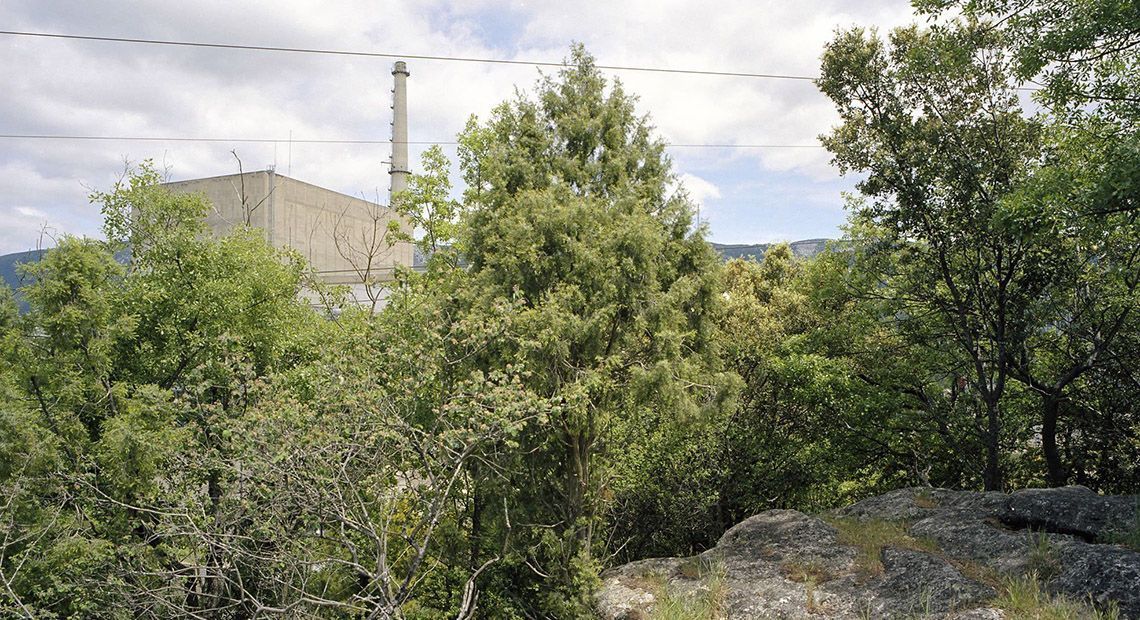
In Spain there are two nuclear power plants currently at decommissioning stage (Vandellós I and José Cabrera), and one more in pre-decommissioning (Santa María de Garoña):
- The Vandellós I nuclear power plant (in Tarragona) was shut down in 1989. Since 2004 it is in its latency period (a 25-year waiting period until full decommissioning, programmed for 2028).
- The José Cabrera nuclear power plant (Guadalajara), best known as Zorita, was shut down on April 30 2006. It is currently undergoing the decommissioning process.
- The Santa María de Garoña nuclear power plant (Burgos) is currently in its pre-decommissioning stage. On August 1st 2017, the Ministry of Energy, Tourism and Digital Agenda announced it had rejected the renovation of the exploitation authorization.
The decommissioning management of nuclear power sites when their operation life ends is carried out by the National Radioactive Waste Company (Enresa).
Other nuclear sites
In addition to its nuclear power plants in operation and in the dismantling and decommissioning stage, Spain has two other nuclear sites:
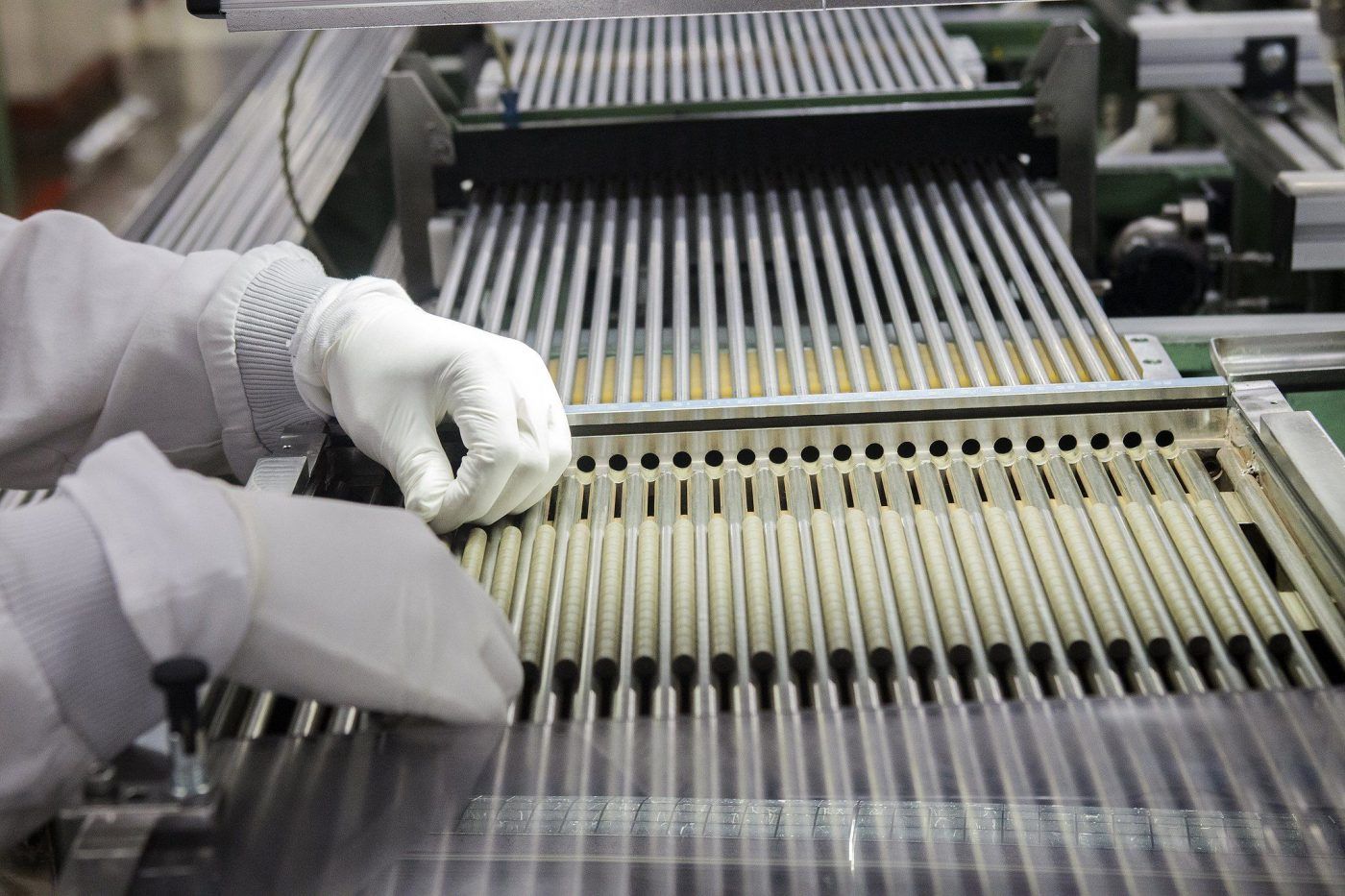
- The fuel elements factory, property of Enusa Industrias Avanzadas and located in Juzbado, in the province of Salamanca.
- The low-and medium-level radioactive waste storage center in El Cabril (Córdoba), property of Enresa.
High-level waste is temporarily stored at the nuclear power plants, specifically in specially designed pools. When these pools become full the spent fuel is stored in a dry temporary storage facility, also known as ITS.


