


What is nuclear power?
Nuclear power is energy contained inside the nucleus of an atom. Atoms are the smallest particles into which a chemical element can be divided and still maintain its properties.
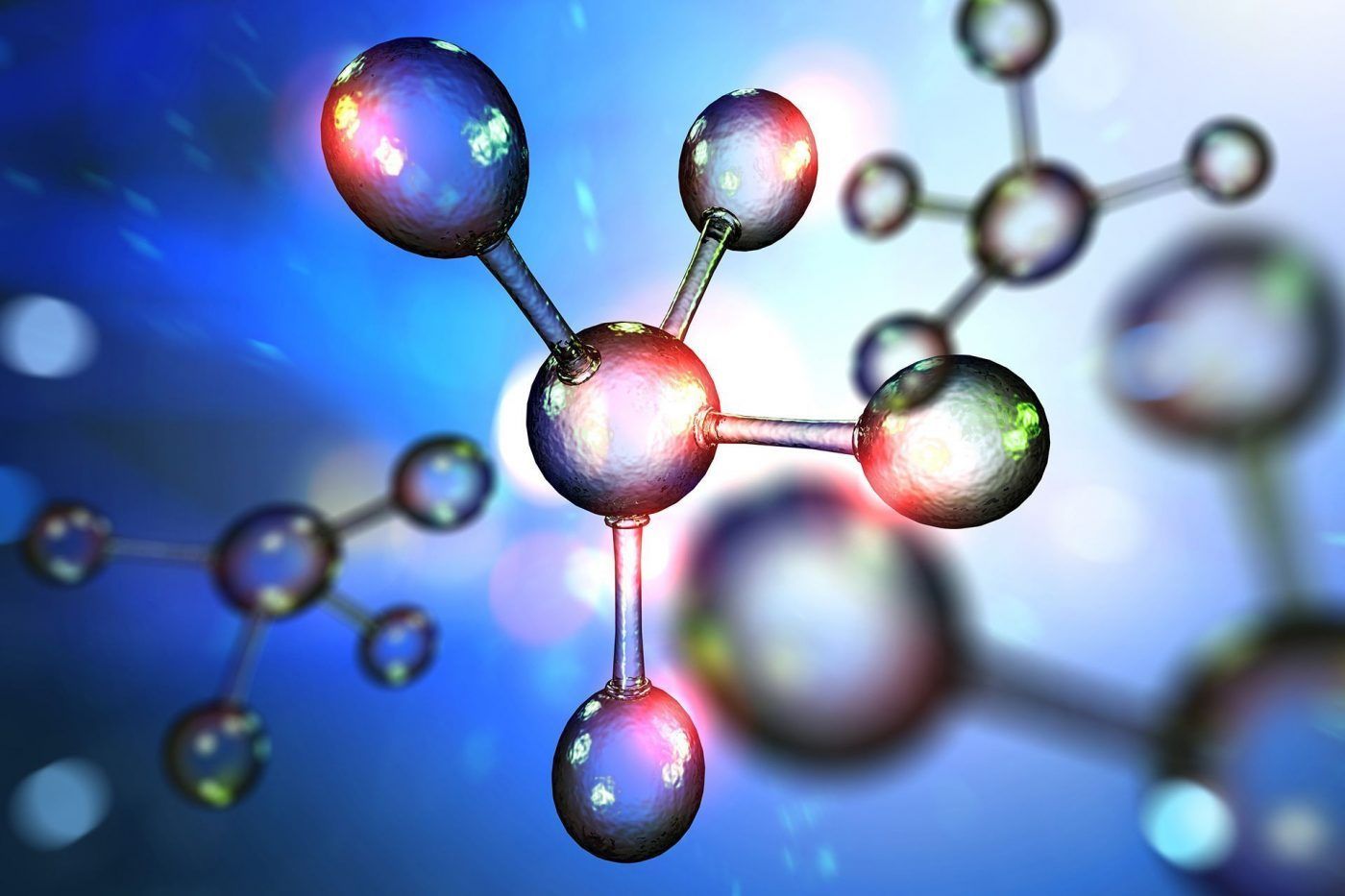
Nuclear power is energy contained in the nucleus of an atom
In the nucleus of each atom there are two types of particles, neutrons and protons. The forces that keep the nucleus particles together (even defeating electrostatic repulsion among protons) have an unknown nature and are short range; they only appear inside the nuclei and are known as nuclear forces. The energy they build up is called binding energy.
When determining the mass of the nucleus it can be observed that it is inferior to the sum of the mass of its components. The difference between both masses is called mass defect (∆m), and the binding energy is calculated with the Einstein ecuation: E = ∆m · c2 [where c is the speed of light].
There are two main types of nuclear reaction: nuclear fusion and nuclear fission
Thus, a part of the nucleus’ mass is transformed into binding energy to keep the nucleus particles together. This energy is released (as a large quantity of heat energy and radiation) when a nuclear reaction takes place, and it is known as nuclear power.
There are two main types of nuclear reactors: nuclear fusion and nuclear fission.
- In nuclear fusion, energy is released when the nuclei of lightweight atoms are combined to create a heavier, stable nucleus. The energy produced by the Sun has the same origin.
- In nuclear fission, nuclei of heavy atoms which have been blasted with neutrons are decomposed into smaller, lighter nuclei, releasing the energy that keeps together their neutrons and protons and emitting two or three neutrons. These can then produce more fissions by interacting with new heavy nuclei that will emit new neutrons and so on, in such a way that the reaction keeps going on its own. This multiplying effect is known as nuclear fission chain reaction.
Nuclear power plants use the large quantity of heat energy generated in the nuclear fission chain reaction to produce electricity. With this purpose they turn liquid water into high-temperature steam to operate a turbine-alternator group where electric energy is generated.
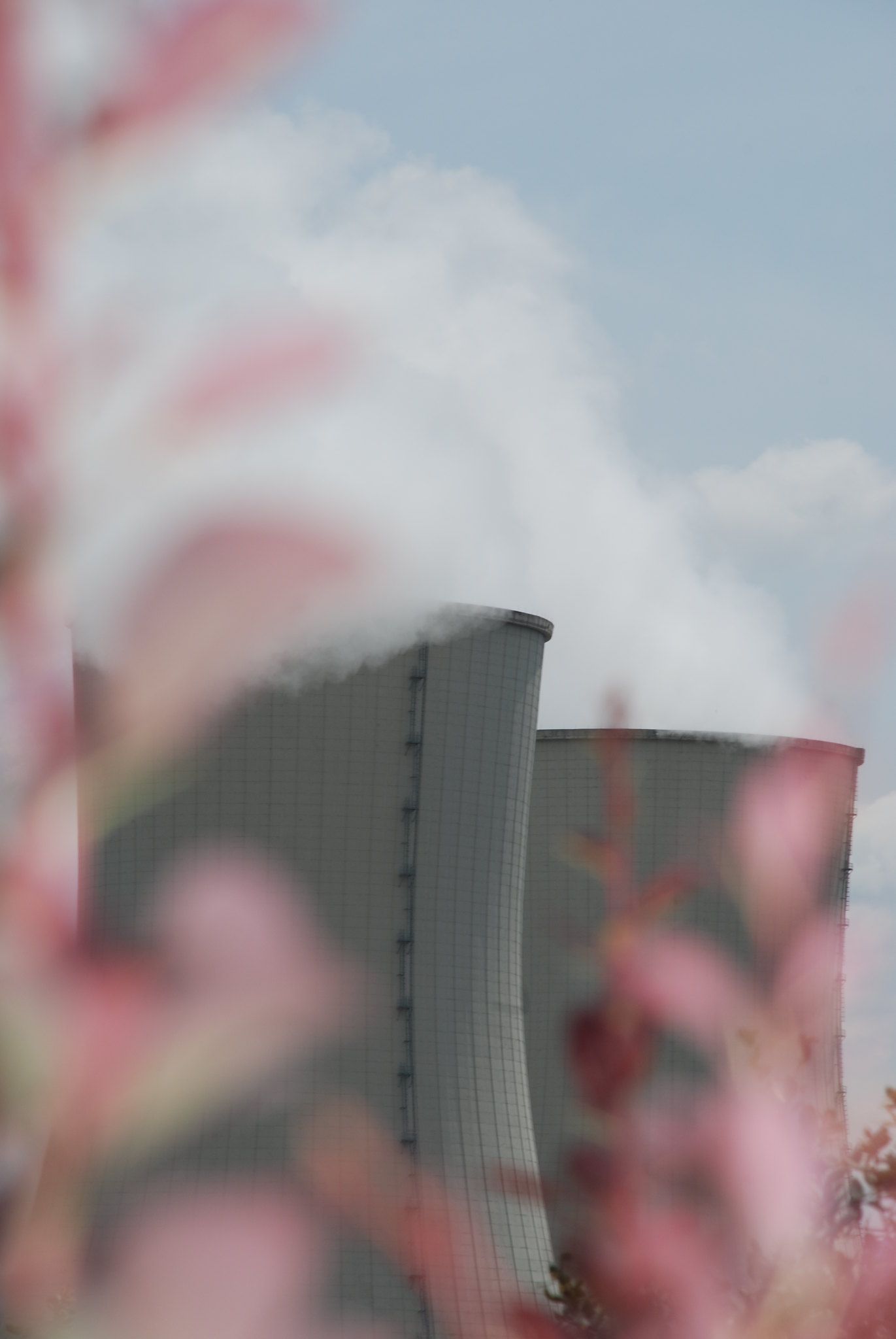
Nuclear power plants use the large amount of heat energy generated in the nuclear fission chain reaction to produce electricity
Although the production of electric energy is the most common use of nuclear power it also has many other applications in widely diverse sectors such as medicine, hydrology, agriculture and food, mining, industry, art, the environment, space exploration and cosmology.

The discovery
The nucleus of atoms was discovered in 1911 by Ernest Rutherford, after analyzing α particles emitted by atoms. After 1932 –with James Chadwick’s discovery of the neutron and with the reactions carried out by the Joliot-Curie couple– the nucleus started to acquire real importance.
Later on, in 1939, Otto Hahn and Friz Strassman discovered fission reactions. The credit of developing the chain reaction goes to Enrico Fermi, a magnificent theoretician and a capable experimenter. On December 2nd 1942, Fermi and his team managed the self-sustained chain reaction fission on the famous Chicago Pile 1, built on a squash court under the bleachers of the football stadium at the University of Chicago. It was a pile of approximately 7 m x 7 m made up of blocks of graphite (neutron moderator) pierced through by 1-inch thick uranium bars.


