G7 recognizes the importance of nuclear energy in achieving climate goals
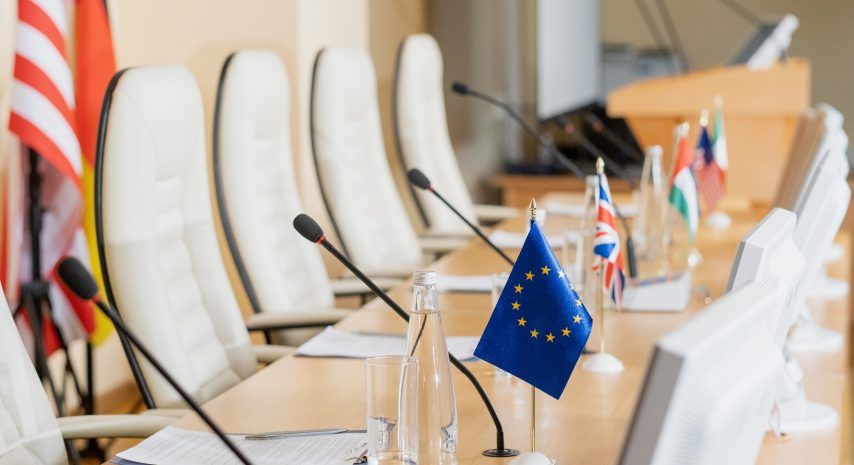
At the G7 Ministerial Meeting on Climate, Energy and Environment held in Turin, Italy, The Group of Seven (G7); released a statement where they commit to support the use of nuclear energy in countries that choose to use it.
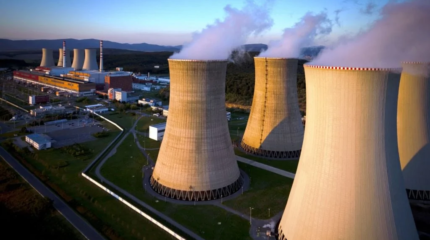
The meeting communiqué acknowledges nuclear energy’s potential as clean energy source in countries that develop this type of technology and globally. According to G7, nuclear energy can reduce dependence on fossil fuels to address the climate crisis and improve global energy security.
In a comparison, G7 lays out how countries that use nuclear energy as a base source provide stability to the power grid and optimize the grid capacity. On the other hand, countries that do not use nuclear power or do not support its use prefer other options to achieve the same goals, considering their assessment of the associated risks and costs of nuclear power.
G7: "Nuclear energy can reduce dependence on fossil fuels to address the climate crisis and improve global energy security"
The future of nuclear energy
The ministers considered the goal of tripling global nuclear generating capacity by 2050, set during COP28. According to the communiqué, the ministers “recognize that, for those countries that choose to use it, nuclear power will play a role in reducing dependence on fossil fuels, supporting the transition to net-zero energy and ensuring energy security, while other countries choose other energy sources to achieve these goals”.

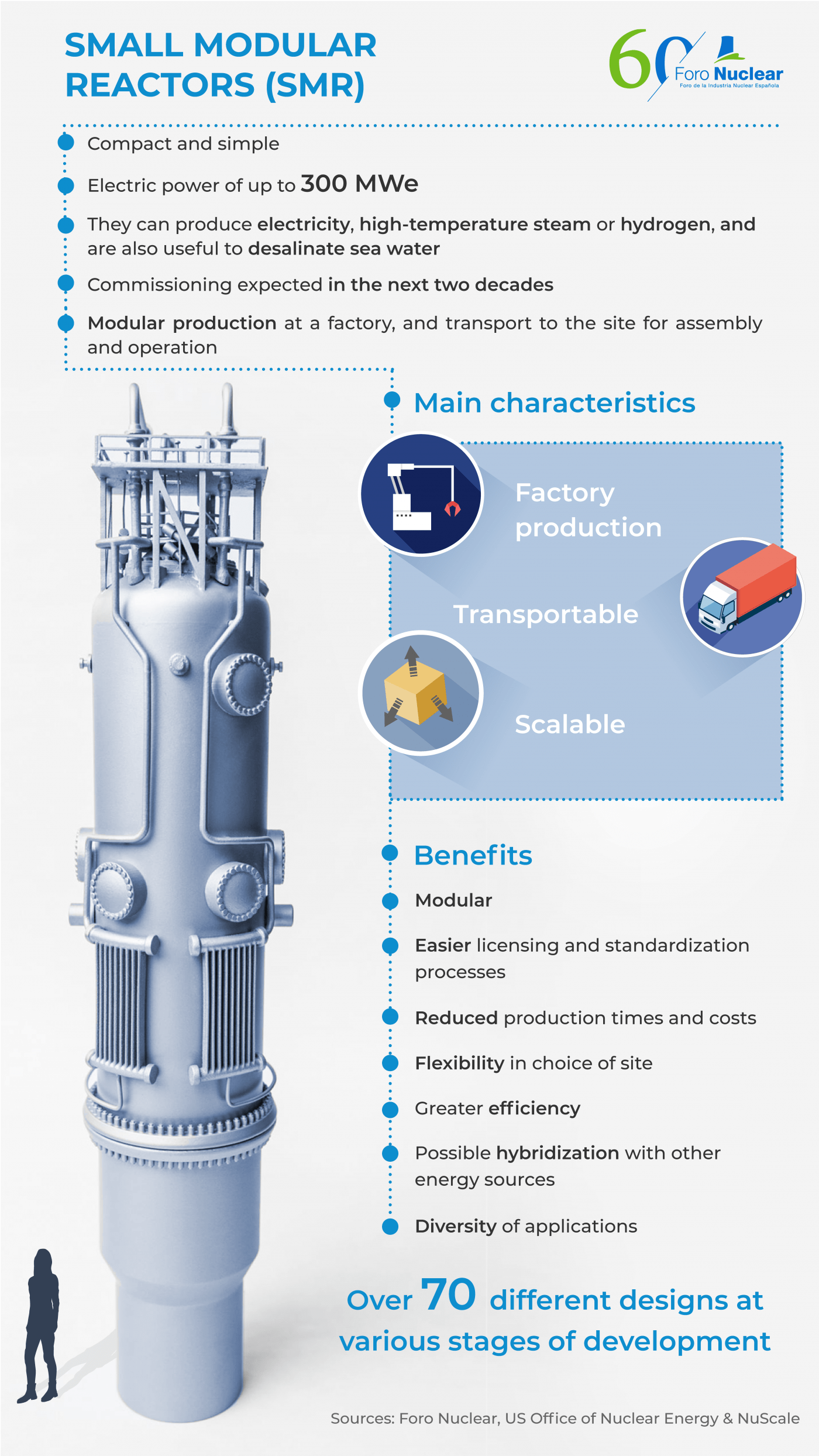
They also highlighted the use of new reactor designs, including advanced modular and small reactors (SMR). These will bring additional benefits in the future, such as improved safety and sustainability, the main objectives of nuclear in the energy transition. Other points noted were the reduction of production costs, better waste management, the reduction of project risks and social acceptance. To achieve the latter it is necessary to develop new communicative strategies to gain greater knowledge of nuclear power through citizen information and education.
New reactor designs will bring additional benefits in the future, such as improved safety and sustainability
Alternative nuclear fuel contracts
Within the framework of the G7 and the Nuclear Energy Working Group established in Sapporo, the ministers pledged to support multilateral efforts to strengthen the resilience of nuclear supply chains for their solidification.
The ministers noted that G7 leaders remain committed to reducing reliance on nuclear-related civilian goods from Russia and to ongoing efforts by countries operating Russian-designed reactors to make progress in securing alternative nuclear fuel contracts and reducing dependencies related to spare parts, components, and services.
G7 leaders remain committed to reducing reliance on nuclear-related civilian goods from Russia
They also stated that they would promote research and development initiatives on innovative nuclear energy technologies only “for those countries that choose to use nuclear energy or support its use in a responsible way”.
Final objectives of the communiqué
The Italian Minister for the Environment and Energy Security, Gilberto Pichetto Fratin, spoke publicly after the ministerial meeting to indicate that, as far as nuclear energy is concerned, the seven countries will promote further research together and ensure that conditions are in place to promote the use of this technology, which is a clean form of energy.
Pichetto Fratin: “the seven countries will promote further research together and ensure that conditions are in place to promote the use of this technology”
Finally, the ministers' statement followed a call by the nuclear industry for G7 governments to adopt nuclear deployment as a strategic priority, maximizing the use of existing nuclear power plants and establishing clear plans for further deployment to meet the targets they set at COP28 of tripling global nuclear capacity.
The statement was signed by the presidents of the Associazione Italiana Nucleare, the Canadian Nuclear Association, the Groupement des Industriels Français de l'Energie Nucléaire (Gifen), the Japan Atomic Industrial Forum, the Nuclear Energy Institute, the Nuclear Industry Association, Nucleareurope and the World Nuclear Association.
Click here to download the statement in full.