Electrification push from Brussels reinforces the role of nuclear energy
The Electrification Action Plan recently published by the European Commission strengthens the EU’s commitment to greater electrification of the economy as a way to reduce dependence on fossil fuels. In this context, nuclear energy is once again emerging as a strategic asset for ensuring a low-carbon, competitive and reliable electricity supply.
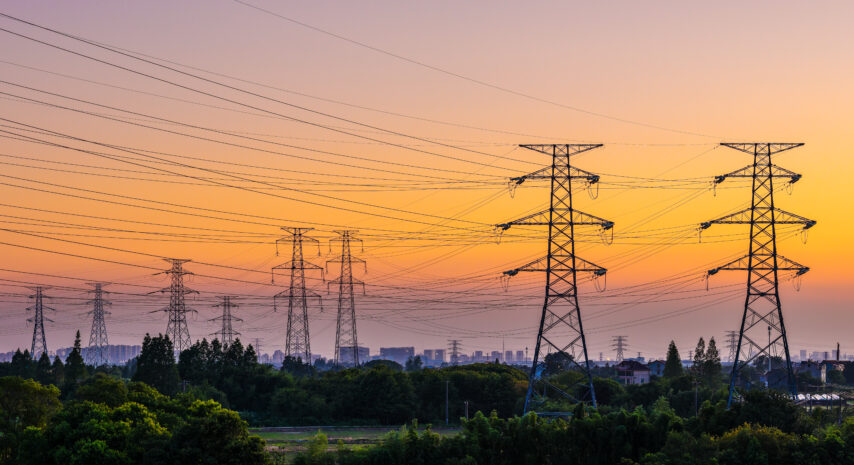
The European Commission considers electrification to be one of the key pillars of the EU’s industrial competitiveness and energy security. Through its Electrification Action Plan, the Commission aims to accelerate the use of electricity in sectors such as industry, transport and building heating and cooling, supported by increased availability of clean generation, stronger electricity grids and greater deployment of flexibility solutions such as batteries and energy storage.
Brussels includes the long-term operation of nuclear power plants among the measures in its European Electrification Plan
In this context, nuclear energy is increasingly being recognised as one of the foundations of Europe’s electrification strategy. The European Commission has previously acknowledged that the long-term operation of existing nuclear power plants will be essential to maintaining low-carbon generation capacity over the coming decades.
A commitment to the continued operation of nuclear power plants
This approach is consistent with previous EU energy policy recommendations, in which Brussels has stressed the importance of avoiding the premature closure of nuclear facilities and promoting the long-term operation of existing reactors whenever technical and safety conditions allow. The new document reiterates this position, stating that extending the lifetime of existing reactors should be pursued unless it proves economically unviable or incompatible with the highest safety standards.
The European Commission proposes facilitating cooperation among regulators to speed up licensing procedures
The Plan also states that, as electrification expands, both renewable and nuclear generation will need to increase. To support this objective, the European Commission proposes facilitating cooperation among regulators to streamline licensing procedures and will support coordination among national authorities with the aim of accelerating nuclear reactor licensing processes. The Commission also backs innovative nuclear technologies, including Small Modular Reactors (SMRs), as a means of delivering clean electricity to industrial consumers.
For the European Commission, electrification brings substantial benefits for the EU economy, businesses and citizens in terms of lower energy prices, greater competitiveness, enhanced energy security and improved resilience. Commission President Ursula von der Leyen has stated that “the best way to reduce Europe’s fossil energy dependency is to power our economy with electricity from clean, homegrown sources [...]”.
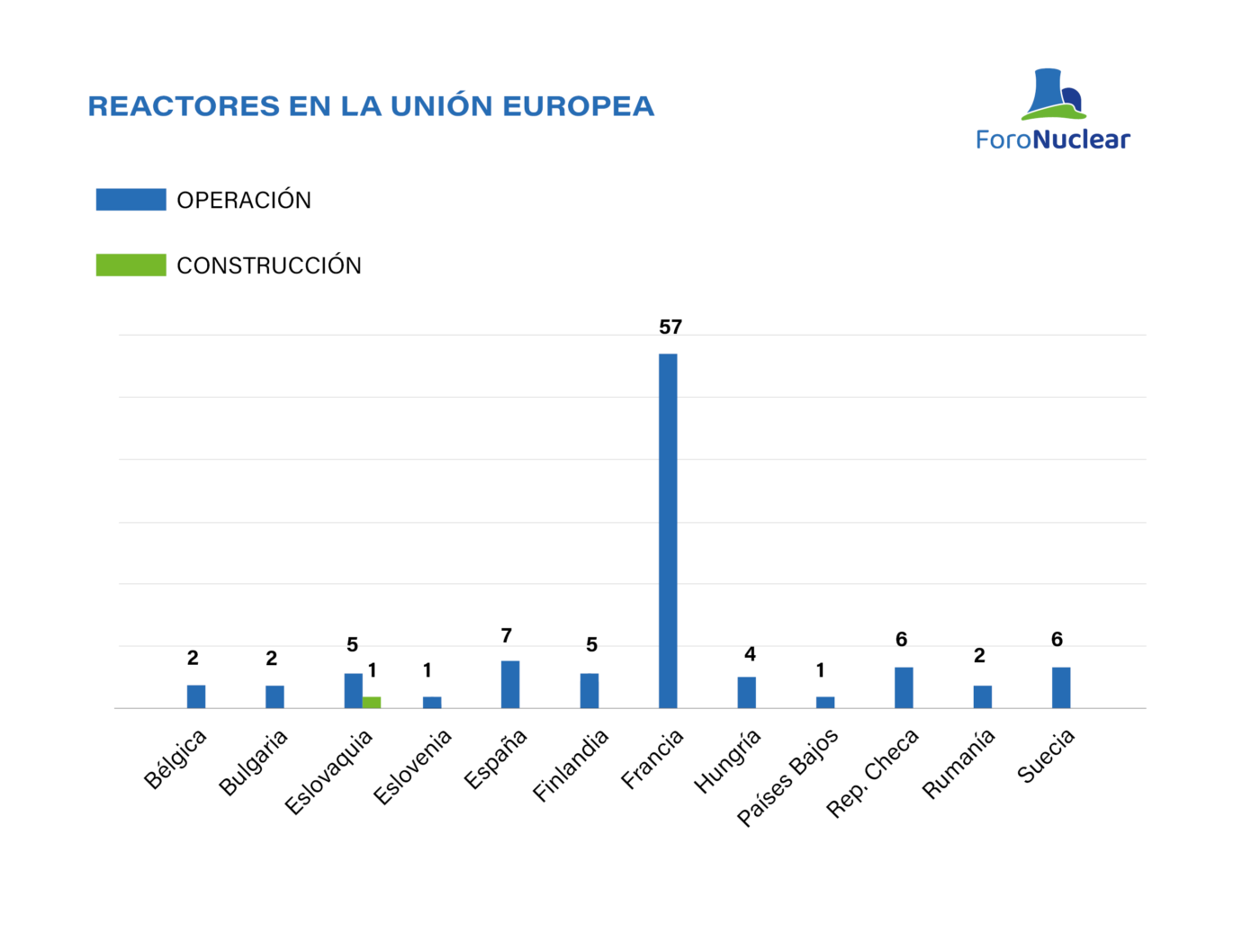
Nuclear energy provides nearly a quarter of the European Union’s electricity
The electrification of the European economy will require large volumes of clean, firm and around-the-clock electricity. In this context, successive European Commission initiatives suggest that maintaining the operation of existing nuclear power plants is an effective way to advance competitiveness, security of supply and decarbonisation simultaneously.
In addition, Brussels concludes in its analysis that power markets with higher shares of renewables and nuclear energy tend to have lower electricity prices. The document further notes that “renewable and nuclear energy drive fossil fuels out.”
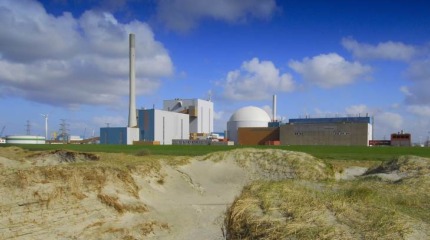
Twelve of the European Union’s twenty-seven Member States operate nuclear power plants. In 2025, the EU’s 98 operating reactors generated 23% of the bloc’s electricity.