Radioactive waste: what it is and how it is safely managed
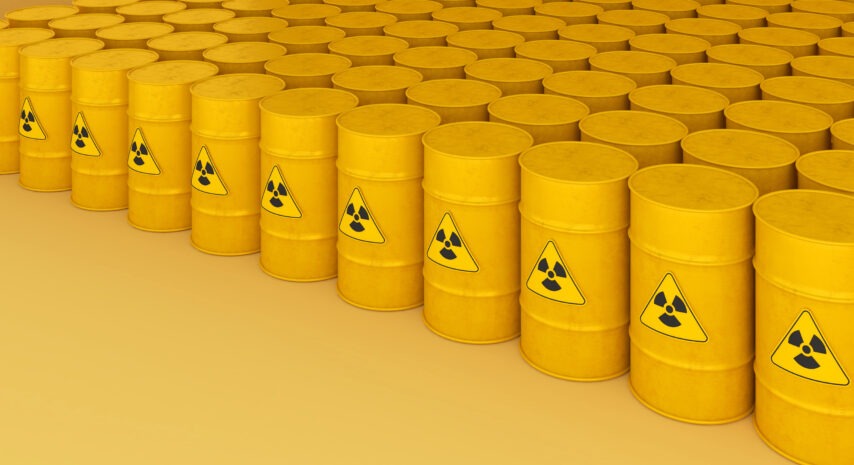
Radioactive waste is generated by a wide range of activities: electricity production in nuclear power plants, the diagnosis and treatment of diseases, scientific research, and numerous industrial processes. All of these activities have one thing in common: they produce materials that contain radionuclides, which are unstable atoms that emit radiation as they transform, in quantities that require specific management.
The term “radioactive waste” encompasses materials with very different characteristics, requiring different management approaches and solutions. For example, a slightly contaminated protective garment is not the same as spent fuel from a nuclear reactor.
For this reason, radioactive waste is classified by its level of radioactivity, how long it remains radioactive, the heat it generates and the most appropriate management solution.
The objective is always the same: to isolate and contain radionuclides to protect people and the environment. To achieve this, we apply treatments, physical barriers, radiological controls, and storage systems tailored to each type of waste.
What turns a material into radioactive waste?
In Spain, the concept of radioactive waste is defined in Article 2 of the Nuclear Energy Act (Law 25/1964): “radioactive waste is any waste material or product for which no further use is foreseen, that contains or is contaminated with radionuclides at concentrations or activity levels above those established by the competent Ministry, following a report from the Nuclear Safety Council.”
Radioactive waste may take the form of solids, liquids or gases, although it is usually conditioned into stable and safe forms before storage.
Radioactivity decreases over time. Each radionuclide has a half-life, which is the time required for its activity to be reduced by half. This information is essential for classifying the type of waste and determining how long it must remain isolated and what barriers are needed to ensure its safe management.
How is radioactive waste classified?
The classification is not exactly the same in every country, but is based on common principles. In Spain, radioactive waste is classified into very low-level, low-level, intermediate-level, high-level, and special waste categories.
Radioactive waste in Spain is classified as very low-, low-, intermediate- and high-level as well as special waste
Very low-level waste
Very low-level radioactive waste consists of materials containing very low concentrations of radionuclides. These are typically scrap metal, rubble, plastics and other materials arising mainly from the decommissioning of nuclear facilities and the rehabilitation of former mining sites.
Low- and intermediate-level waste
This category includes, among other materials, filters, resins, tools, protective clothing and components that have been in contact with radioactive substances. They originate from nuclear power plants, but also from hospitals, research centers and industrial facilities.
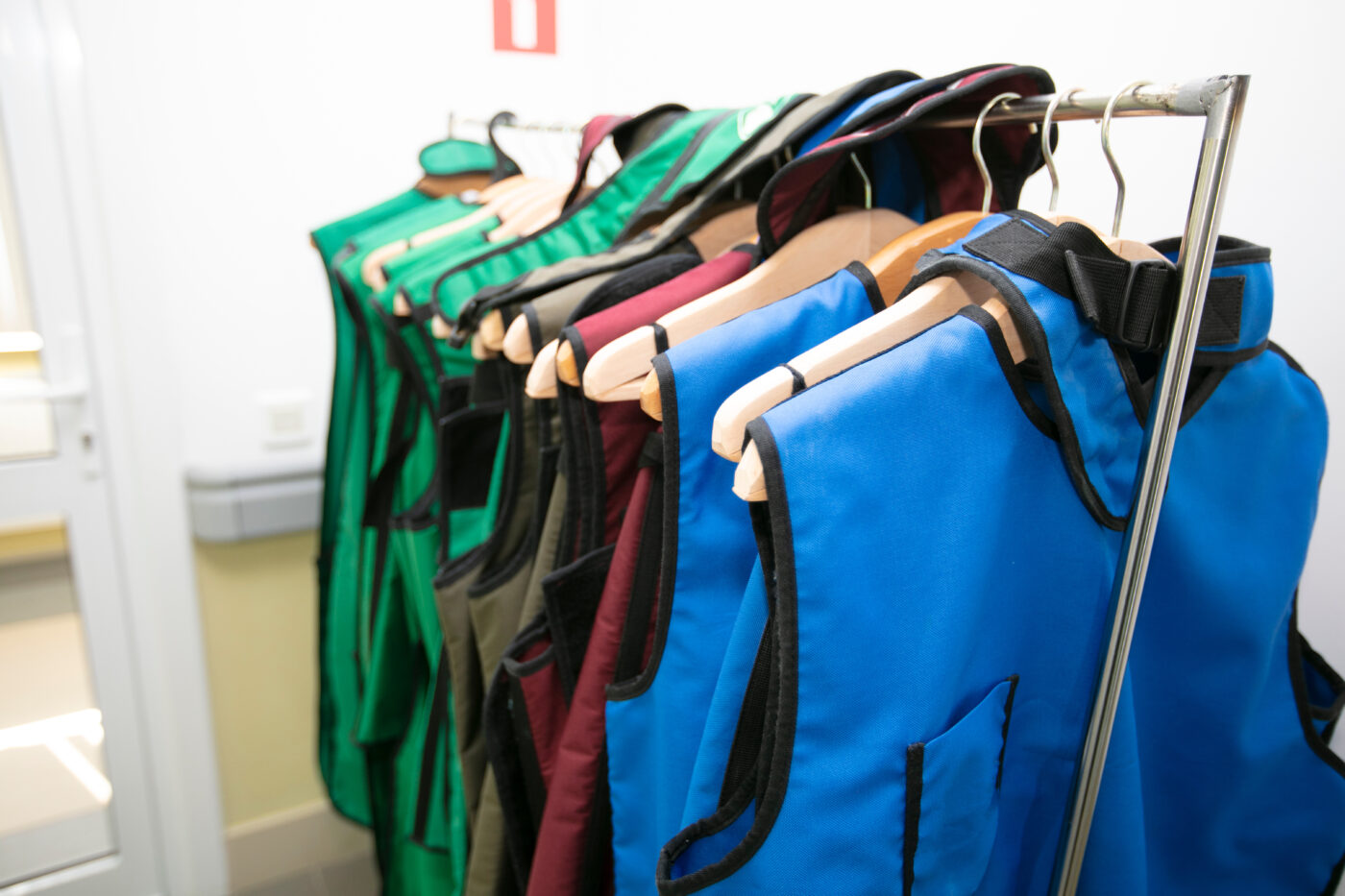
They generally contain short- or intermediate-lived radionuclides, with half-lives under 30 years, and only very limited amounts of long-lived radionuclides. They do not generate significant amounts of heat, but they must be treated, conditioned and isolated until their radioactivity declines to levels that no longer require radiological control.
In Spain, short- and intermediate-lived very low-level radioactive waste is permanently disposed of in dedicated facilities at the El Cabril Disposal Facility in Hornachuelos (Córdoba). Long-lived waste resulting from former mining activities and uranium concentrate production is stabilized and monitored at the restored sites where it originated.
El Cabril: Spain's solution for very low-, low- and intermediate-level readioactive waste
In Spain, the management of radioactive waste, which is the Government's responsibility, has been entrusted to the National Radioactive Waste Company (Enresa) under the regulatory supervision of the Nuclear Safety Council. The national strategy is set out in the 7th General Radioactive Waste Plan, approved in December 2023.
El Cabril provides final disposal for very low-, low- and intermediate-level radioactive waste that meets its acceptance criteria. For low- and intermediate-level waste, the conditioned waste packages are placed inside concrete containers. These containers are then positioned in disposal vaults, with the remaining spaces filled with mortar. Completed vaults are sealed and, after the disposal platforms have been filled, they are covered with layers of natural and engineered materials designed to limit water infiltration and promote the site's integration into its surrounding environment.
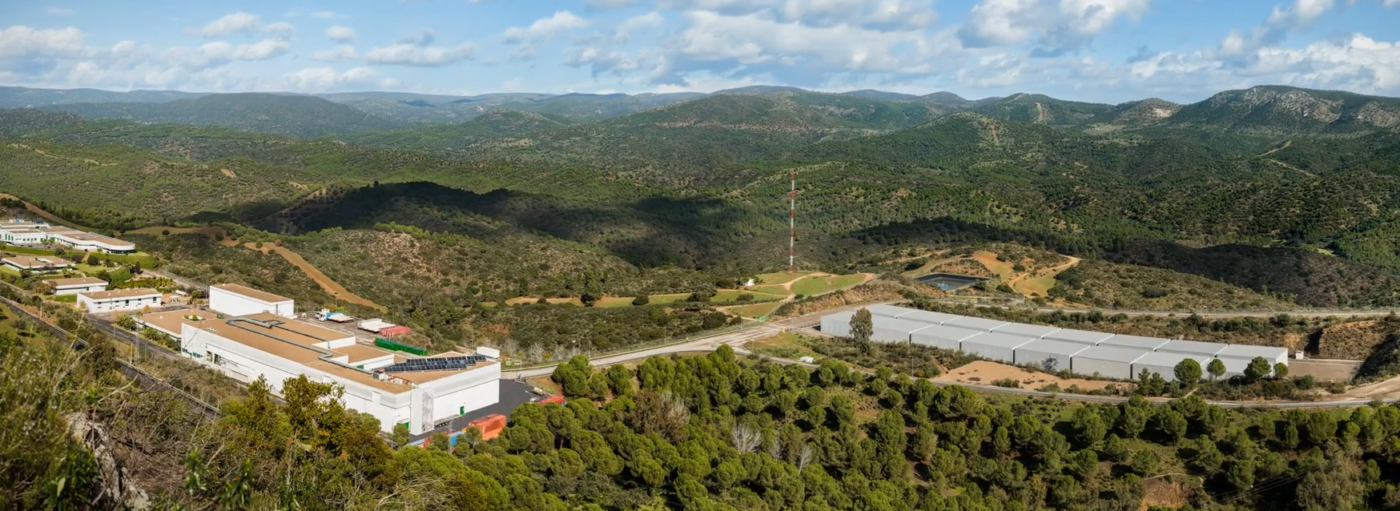
Safety relies on multiple complementary barriers: the conditioned form of the waste, the container, the concrete disposal vault, the final cover and the characteristics of the site itself. In addition, the facility is equipped with water collection and monitoring systems, laboratories and environmental radiological surveillance programmes. Separate disposal structures are used for very low-level waste, reflecting its lower radioactive content.
Safety in El Cabril relies on multiple complementary barriers that isolate radioactive waste from people and the environment

High-level radioactive waste and spent fuel
High-level radioactive waste contains long-lived radionuclides in high concentrations and may generate heat as a result of radioactive decay. In Spain, the main material in this category is spent fuel removed from nuclear reactors after it has been used to generate electricity.
Freshly discharged fuel is placed in specially designed pools within the nuclear power plant. The water serves a dual purpose: it cools the fuel assemblies and acts as a shield against radiation. After a cooling period, the fuel is transferred to dry storage systems. These use containers designed to provide containment, shielding and passive heat dissipation.
Spent fuel at nuclear power plants is initially stored in pools and is later transferred to dry storage containers
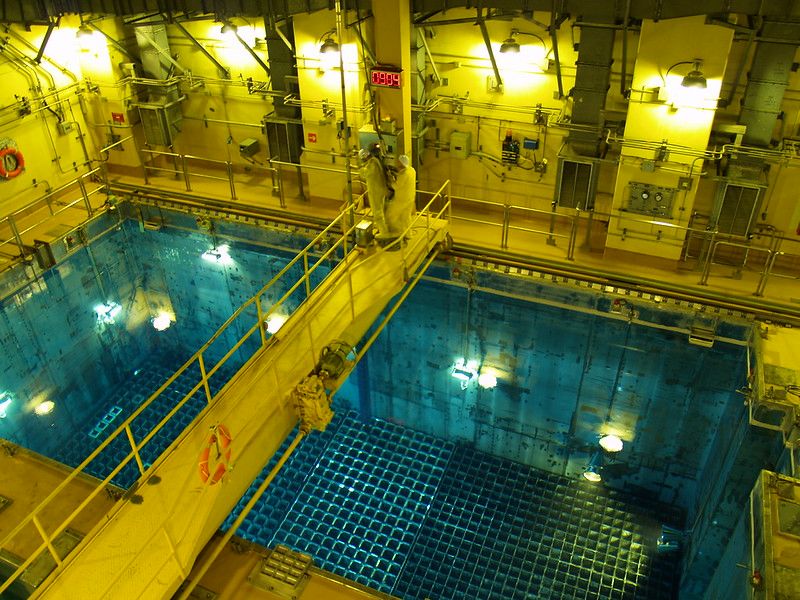
Temporary management of spent fuel in Spain
Spent fuel initially remains in storage pools at nuclear power plants. When additional storage capacity is required, it is transferred to on-site Independent Spent Fuel Storage Installations (ISFSIs), where it is kept in dry storage containers. This internationally used and regulated system allows the fuel to remain safely contained, cooled through natural air circulation and available for future transfer to a final disposal facility.
The 7th General Radioactive Waste Plan replaced the proposal for a single Centralised Interim Storage Facility with a system of Decentralised Interim Storage Facilities (DISFs) at nuclear sites. These will incorporate existing storage facilities together with any additional installations or measures required to maintain the containers until spent fuel and high-level radioactive waste are transferred to their final destination.
Some countries, including Spain, regard spent fuel as waste destined for final disposal. Others reprocess it to recover materials that can still be reused, such as uranium and plutonium. Reprocessing reduces and alters the characteristics of the final waste, but it does not eliminate the need to manage high-level, long-lived radioactive waste.

Special waste
There is also a category, special waste, which includes certain metallic components from inside the reactor, neutron sources and instrumentation that due to their radiological characteristics cannot be accepted at El Cabril. Their interim and final management is managed in a similar way to that of high-level radioactive waste.
A controlled chain, from generation to storage
Waste management begins at the point where the waste is generated. The first step is to minimize its production as far as reasonably achievable and to segregate materials according to their characteristics. These materials are then identified and characterized to determine their composition, activity, and behaviour.
The waste may subsequently undergo various treatment processes. Low- and intermediate-level radioactive waste is compacted to reduce its volume; other waste may be incinerated in authorized facilities, decontaminated, or immobilized using cement or other materials. Finally, it is conditioned into packages that must meet the acceptance criteria established for the destination facility.
When transport is required, approved packaging and procedures subject to regulatory oversight and control are used. The design of the packaging depends on its contents and must maintain its containment and shielding functions under the conditions expected during transport. Each stage, from generation, treatment, conditioning, transport, and storage to monitoring, forms part of an integrated safety system.
The geological repository: a permanent solution based on multiple barrieres
For high-level radioactive waste and spent fuel, the internationally accepted reference solution is deep geological disposal (DGD). This involves placing the previously encapsulated waste several hundred metres underground in a stable geological formation.
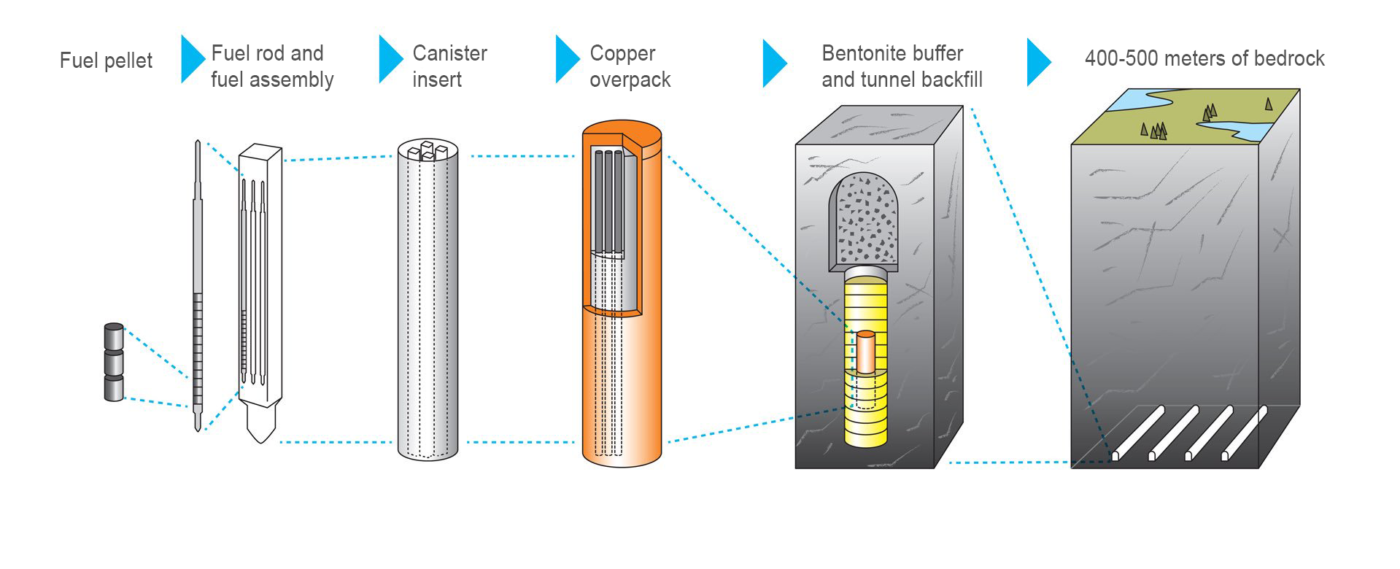
Its safety does not depend on a single barrier nor on continuous human intervention. It is based on a multi-barrier system that combines the fuel or conditioned waste, robust canisters, backfill and sealing materials — such as bentonite — and the host rock at the disposal site. Each element performs a containment function or helps slow the potential migration of radionuclides. The system as a whole is designed to keep them permanently isolated.
The International Atomic Energy Agency considers disposal in deep, stable geological formations to be the generally preferred option for high-level radioactive waste. The European Union requires its Member States to establish national policies and programmes covering every stage, through to final disposal.
The most advanced DGR projects
The most advanced projects are at different stages of construction, licensing or site selection.
- Finland's project is the most advanced. At Olkiluoto, Posiva has constructed Onkalo, at a depth of over 400 meters, and is conducting comprehensive tests without spent fuel. Once it is granted operating license (which is still under review), it will become the world's first repository to begin the final disposal of spent nuclear fuel.
- Sweden received government approval in 2022 to build its spent fuel repository at Forsmark. Surface construction began in January 2025, but underground excavation, planned at a depth of around 500 meters, still requires approval of the safety assessment from the Swedish nuclear regulatory authority.
- France is developing Cigéo in a clay formation in Meuse/Haute Marne for high-level and long-lived intermediate-level radioactive waste. Construction has not yet begun: the license application submitted by Andra is still under review.
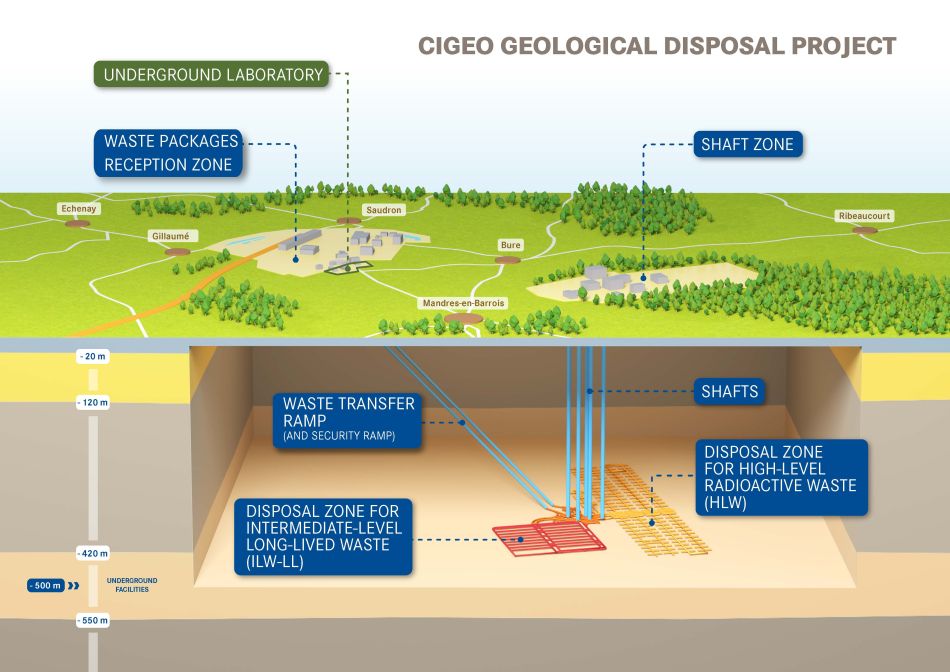
- Canada selected a site in northwestern Ontario in 2024 for its future spent fuel repository, planned to be 500 and 800 meters deep. The project is moving towards regulatory assessment, but has not yet been authorised and construction has not begun.
Finland has the most advanced DGR; Sweden has begun surface construction work, while France and Canada are continuing their licensing processes
These deep geological repository programmes are at different stages, but they share essential elements: decades of research, detailed geological characterisation, long-term safety assessment, regulatory approval and community engagement.
The path ahead for Spain
The 7th General Radioactive Waste Plan establishes a DGR as the final solution for spent fuel, high-level waste and special waste. Under the reference scenario, it is expected to become operational in 2073. Previously, it will be necessary to develop a specific regulatory framework, followed by site selection and characterisation, design, environmental assessment, public participation, construction and licensing.
Spain has accumulated technical expertise in this field since the 1980s, including studies of granite and clay formations, conceptual designs and participation in international research programmes. Early planning is essential, as a DGR requires long lead times for design, licensing and construction, as well as long-term decision making.
Spain expects its DGR for high-level radioactive waste to become operational in 2073
The experience accumulated over the years shows that technologies are available to safely treat, condition, transport and store each category of radioactive waste. The challenge is not to find a single solution but to apply the appropriate one to each type of waste, maintain independent regulation, ensure adequate funding and plan sufficiently far ahead for the development of permanent disposal facilities.
Sources: Enresa, CSN, IAEA, Posiva, SKB, Andra, NWMO and Foro Nuclear