Germany's Chancellor Merz says the nuclear phaseout was a "huge mistake"
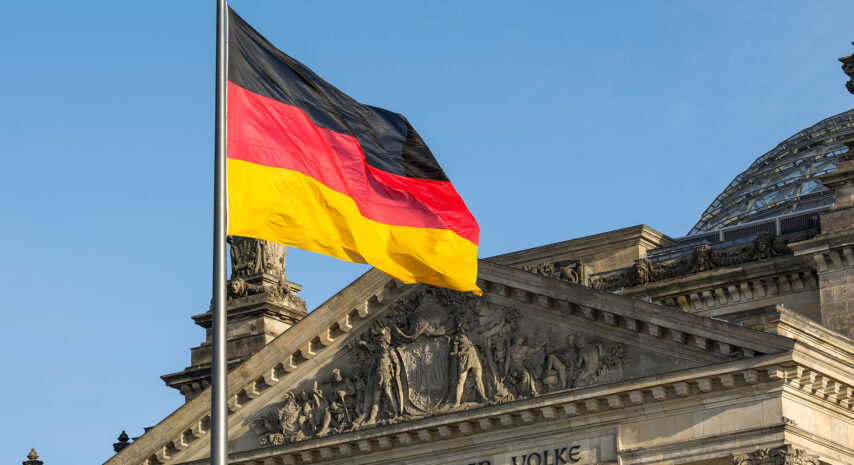
Chancellor Friedrich Merz has said Germany’s decision to shut down all its commercial nuclear power plants was a “huge mistake” that has come at high economic cost.
Speaking to the German Chamber of Industry and Commerce in Dessau on 15 January, Merz said: “It was a serious strategic mistake to phase out nuclear energy… we simply don’t have enough energy generation capacity.”
According to press reports, Germany’s energy system now requires state intervention to keep prices under control.
“To have acceptable market prices for energy production again, we would have to permanently subsidise energy prices from the federal budget,” Merz said. “We can’t do this in the long run.”
He added that the nuclear exit has had long-term “strategic consequences” for the country.
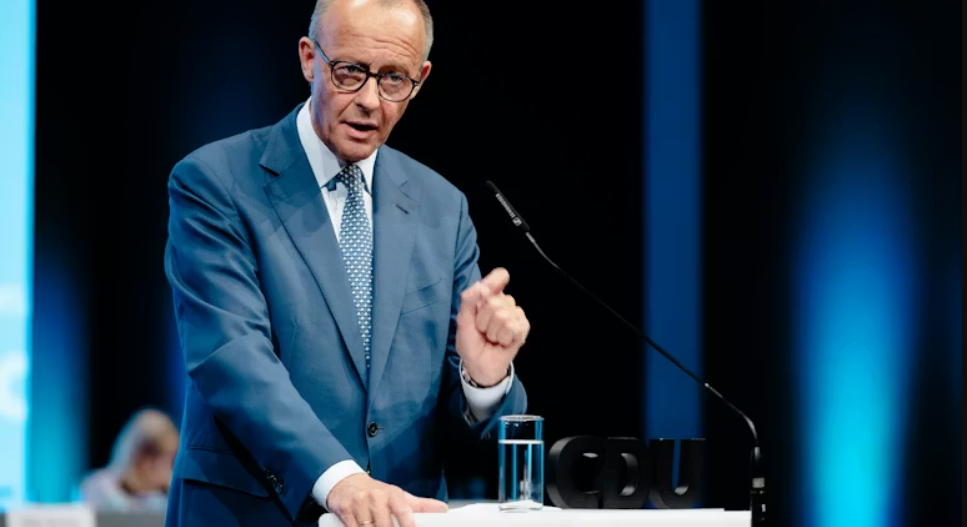
Germany's new energy system now requires state intervention to keep prices under control
Germany’s nuclear phaseout policy began in 2002 under the Social Democrat–Green coalition government led by Chancellor Gerhard Schröder, which introduced legislation to end nuclear power.
In 2010, Chancellor Angela Merkel’s government initially planned to reverse the phaseout, but the Fukushima disaster in March 2011 triggered a major policy shift. Merkel then ordered the immediate shutdown of eight of Germany’s 17 reactors and set a timetable to close the remaining plants by 2022. In April 2023, Germany’s last three nuclear power plants — Isar-2, Neckarwestheim-2 and Emsland — were permanently shut down, completing the phaseout even amid the European energy crisis triggered by Russia’s war in Ukraine.
Merkel’s conservative Christian Democratic Union (CDU), now led by Merz, has since questioned the decision, particularly as Germany also moves away from coal while plans for new gas-fired plants face delays.
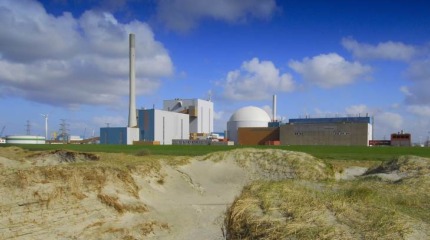
In April 2023 Germany shut down its last three nuclear power plants, even amid the European energy crisis
In September 2025, Merz and French president Emmanuel Macron agreed to recognise the role of nuclear energy in Europe’s energy transition, potentially easing years of tension between the two countries over energy policy and nuclear subsidies.
The German government has also announced a “high-tech agenda” aimed at developing nuclear fusion as part of the country’s strategy to achieve climate neutrality by 2045.
The German government has announced a high-tech agenda to develop nuclear fusion as part of the country's strategy to achieve climate neutrality by 2045