GDES y ANAV develop iAlgae, a system for identifying algae at nuclear power plants
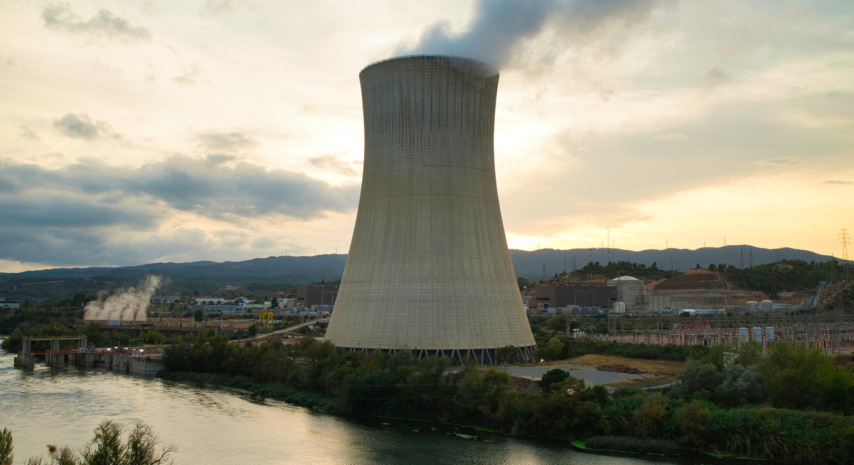
The collaboration between the Dominguis Energy Services Group (GDES) and the Ascó-Vandellós II Nuclear Association, both Foro Nuclear member companies, has led to the creation of iAlgae, an intelligent system for the early detection of algae and floating plant matter through artificial intelligence. The project was developed for the Ascó nuclear power plant.
A new project by GDES and ANAV enables continuous monitoring of the water intake channel at the Ascó nuclear power plant to automatically detect the presence of vegetation that could affect the plant's intake and cooling systems. iAlgae represent an advance over traditional visual monitoring methods carried out by operators, as the new system is an automated solution that is independent of weather and environmental conditions, according to GDES's press release.
iAlgae automatically detects algae in the nuclea power plant's intake channel through artificial intelligence
"The presence of algae and other floating plants in water intake channels at nuclear power plants is a known issue at facilities that use surface water for cooling", according to GDES. Having real-time information on how their presence changes enables staff to make better-informed decisions.

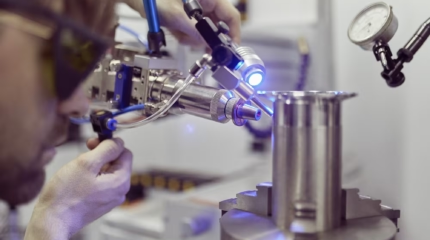
GDES's innovation team has developed a solution that combines multiespectral, thermal and visible-spectrum cameras with artificial intelligence algorithms capable of automatically detecting moving plant matter and generating real-time alerts to facilitate its removal by operations teams. One of iAlgae's main innovations, the company explains, is "the combination of multispectral imaging and advanced thermography, which enables reliable detection at all hours of the day under different environmental conditions".
iAlgae combines multispectral, thermal and visible-spectrum cameras with artificial intelligence algorithms to detect moving plant matter
The development and technology of iAlgae
According to the GDES statement, "to validate the technology, the system was tested for 144 days under real operating conditions at Ascó, during which more than one million images were processed using an edge computing architecture". The test results confirmed its viability: 710 algae mats were automatically detected, and even accumulations of plant matter covering less than one square metre identified, many of which were difficult to spot through conventional visual inspection. The trials also demonstrated consistent performance in rain and fog, as well under varying light conditions, wind and water turbulence.
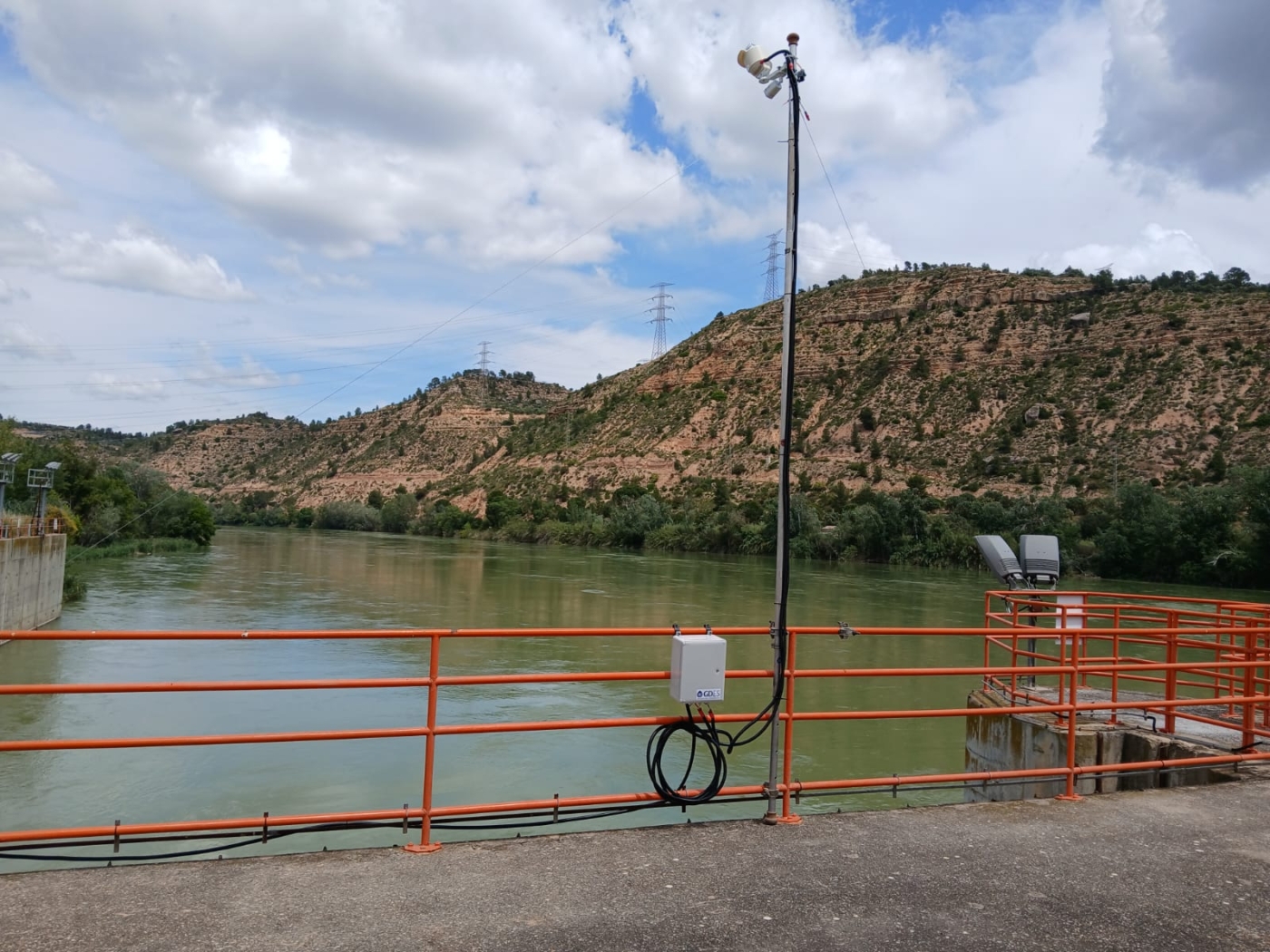
In adittion to its automatic detection work, iAlgae includes a web platform for viewing images, reviewing historical events and monitoring recorded detections. Following the positive results obtained, the GDES and ANAV project is moving into a new phase aimed at completing the industrialisation of the solution and expanding its automation capabilities.
Source of information and images: GDES