The United States and Turkey to cooperate on Small Modular Reactor development
The United States and Turkey have agreed on a cooperation plan to deploy Small Modular Reactors (SMRs) in Turkey. The initiative will establish the regulatory, institutional and financial framework to facilitate future projects based on this technology.
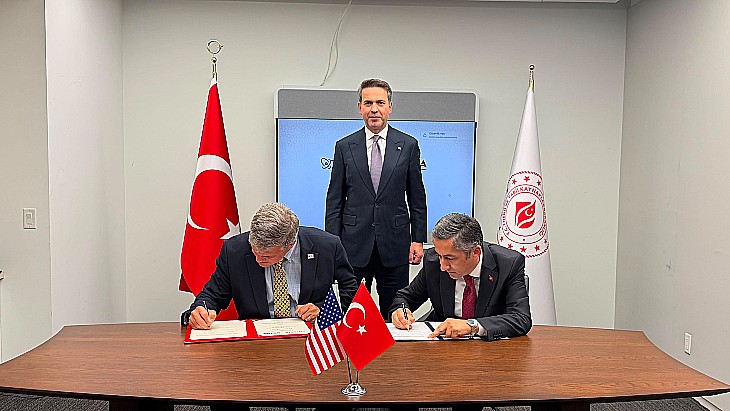
The United States Trade and Development Agency (USTDA) and the state-owned company Türkiye Nükleer Enerji Anonim Şirketi (TÜNAŞ) have signed an agreement to support the development of small modular reactors in Turkey. USTDA’s Deputy Director and Chief Operating Officer, Thomas Hardy, and TÜNAŞ Director General, Necati Yamaç, signed the agreement at a ceremony also attended by Turkey’s Minister of Energy and Natural Resources, Alparslan Bayraktar.
The cooperation will establish the regulatory, institutional and financial framework to facilitate SMR deployment in Turkey ye
Assessment of U.S. technologies
The cooperation plan has a budget of approximately $2 million and is expected to last, at least, one year. It will assess small modular reactor designs from four U.S. companies, as well as five U.S. Generation IV reactor designs.
The nuclear technologies will be assessed from technical, economic, and regulatory perspectives. The analysis will also examine their design features, costs, licensing status, supply chains, funding sources and financing models, site selection, emergency preparedness, safety and legal framework.
The study, with funding of around $2 million, will assess SMR designs from U.S. companies and five Generation IV reactor designs
Following these assessments, technical reports will be prepared to examine whether the technologies under review can be adapted to Turkey’s energy needs. However, the agreement does not yet entail the selection of a specific design or a decision to build new nuclear reactors.
USTDA’s Deputy Director and Chief Operating Officer, Thomas Hardy, said the agreement would benefit both Turkey’s energy sector and U.S. businesses: “Our goal is to support TÜNAŞ effort to create the conditions needed for the deployment of Small Modular Reactors, which can enhance Turkey’s energy security while also providing opportunities for U.S. companies”. According to Hardy, this framework will draw on international experience and be tailored to the country’s specific needs.
Strengthening Turkey's nuclear energy strategy
Turkey's Minister of Energy and Natural Resources, Alparslan Bayraktar, explained that the agreement will enable an assessment of the technical, economic and regulatory viability of new nuclear technologies. He also placed this cooperation within Turkey’s goals of diversifying its energy mix, strengthening its energy independence and achieving net-zero emissions by 2053.
The cooperation initiative with the United States is part of the country’s plans to expand its nuclear capacity over the coming decades, with the aim of deploying 5,000 MW of Small Modular Reactor capacity, alongside twelve larger reactors, by 2050.
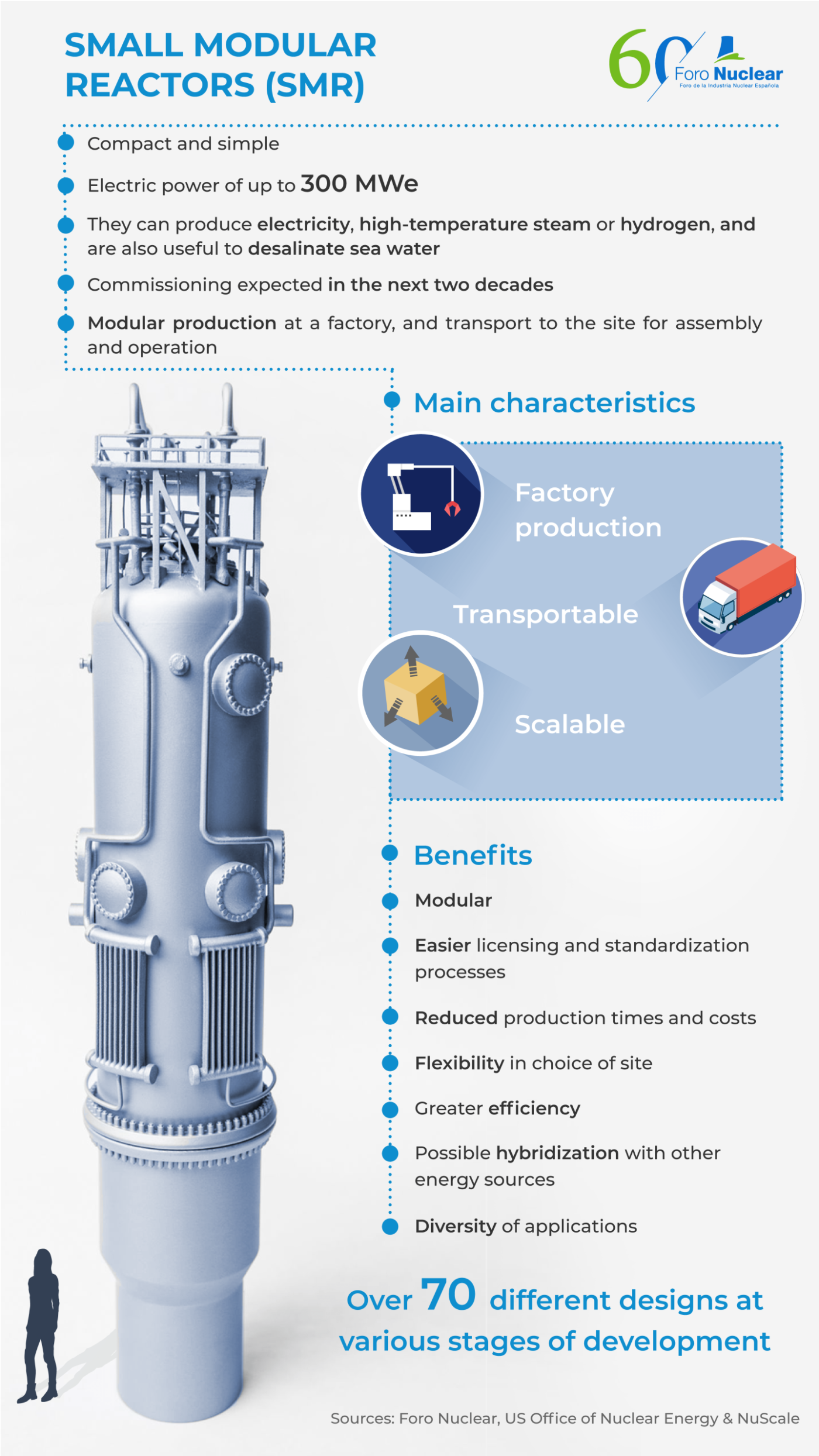
Turkey’s first nuclear power plant is currently under construction at Akkuyu, in Mersin province. The facility will comprise four VVER-1200 reactors with a combined capacity of approximately 4,800 MW. The Akkuyu nuclear power plant is being built by the Russian company Rosatom under the build-own-operate (BOO) model.
Cooperation with the United States broadens Turkey’s international initiatives to develop new nuclear capacity. TÜNAŞ has also reached agreements with Korea Electric Power Corporation and Canada’s Candu Energy covering project development, technology transfer, site assessment and financing.
Source: Ministry of Energy and Natural Resources of Turkey