Nuclear energy could have saved Germany €332 Billion, according to research
A recent study suggests that if Germany had continued using its nuclear power plants and invested in new reactors, it could have saved €332 billion compared to the costs of its current energy transition policy, known as Energiewende. The research, published in the International Journal of Sustainable Energy, was led by Jan Emblemsvag, a professor at the Norwegian University of Science and Technology, Nucnet reports.
Cost comparison: Nuclear vs. Energiewende
According to the study, Germany’s Energiewende, which focuses on shifting to renewable energy, has cost an estimated €387 billion in investments, with an additional €310 billion in subsidies, totaling €696 billion. By contrast, if the country had kept its existing nuclear plants operational and invested in new reactors, the estimated cost would have been only €36 billion, significantly less than the Energiewende policy.
"If Germany had maintained its nuclear plants since 2002, it would have significantly reduced expenses and achieved its climate goals more efficiently", Emblemsvag noted. The report highlights that although estimating the cost of nuclear energy is complex, it still would have been far more affordable than the current policy.
Emblemsvag: “If Germany had maintained its nuclear plants since 2002, it would have significantly reduced expenses and achieved its climate goals more efficiently”
What is Energiewende?
Energiewende, which translates to "energy transition", is Germany’s strategy to move away from nuclear and fossil fuels while expanding renewable energy sources like wind, solar, and bioenergy. Initiated in the early 2000s, the policy aims to make the country’s energy supply more environmentally friendly. However, critics argue that it has struggled to balance environmental goals with energy security and affordability.
Energiewende initiated in the early 2000s, aims to make the country’s energy supply more environmentally friendly
One of the major criticisms of Energiewende is its impact on energy security. As Germany phased out nuclear power, it became more dependent on gas, particularly imports from Russia to balance and back up its energy grid. Emblemsvag pointed out that this reliance on gas made Germany vulnerable during the recent energy crisis, which cost the country an additional €1.5 trillion. This crisis could have been avoided, according to the study, if Germany had not relied so heavily on gas.
Emblemsvag pointed out that the reliance on gas made Germany vulnerable during the recent energy crisis, which cost the country an additional €1.5 trillion
Nuclear phaseout amid energy crisis
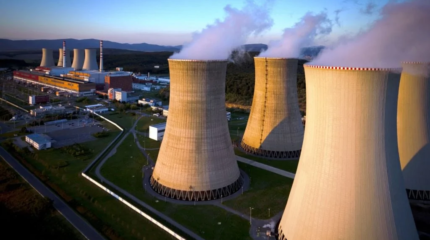
Germany permanently shut down its last three nuclear power plants: Isar-2, Neckarwestheim-2, and Emsland in April 2023, even as Europe faced an energy crisis caused by Russia’s invasion of Ukraine, These plants previously accounted for around 6% of the country’s total electricity mix, down from nearly 12% in 2021.
Germany permanently shut down its last three nuclear power plants in April 2023
Before the Fukushima incident in 2011, nuclear power played a much larger role in Germany, supplying about a quarter of the country’s electricity with 17 reactors in operation. Despite calls to extend the lifetimes of its remaining plants, the German government stuck to its nuclear phaseout plan.
A missed opportunity
Emblemsvag's research indicates that if Germany's political climate had been more favorable toward nuclear power in 2002, the country could have achieved significant cost savings and reduced carbon emissions. The study draws on data from multiple countries to evaluate the expenses associated with maintaining and upgrading existing nuclear plants, carefully considering factors such as fuel costs and necessary maintenance.
In hindsight, the study suggests that Germany might have been better off sticking with nuclear energy, a cheaper and more stable option, instead of relying solely on renewables and imported gas.
Source: Nucnet