Belgium's Parliament votes to abandon nuclear phaseout plans
The 2003 nuclear phaseout law imposed a closure date on Belgium’s nuclear power plants, while also prohibiting the construction of new ones. At the time there were seven commercial nuclear plants in operation. Currently, there are four.
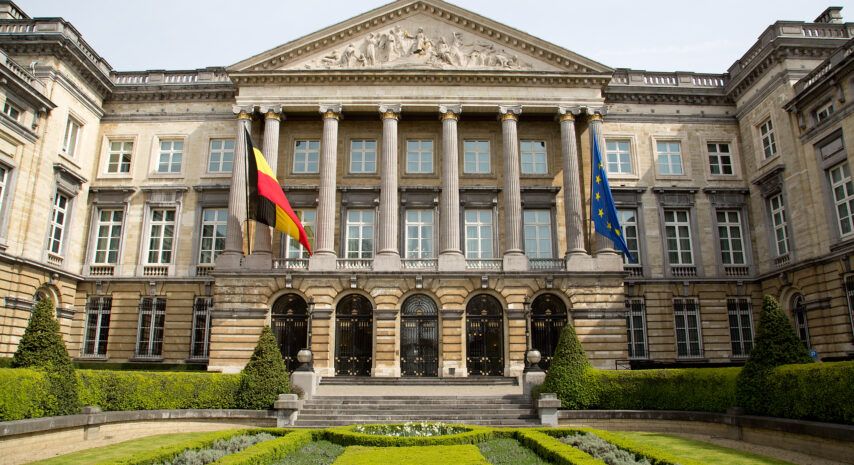
On May 15, Belgium’s parliament voted to drop the nuclear phaseout; this decision was welcomed as a decisive step for the country's economic, environmental, and strategic future.
“The federal parliament has just turned the page on two decades of blockages and hesitation to pave the way for a realistic and resilient energy model,” energy minister Mathieu Bihet of the centre-right Reformist Movement party was quoted by news outlets as saying. “This is not just an energy reform; it is a decisive step for the economic, environmental, and strategic future of our country,” he said.
“Our industry and our citizens deserve a serious approach, away from ideological dogmas,” he added. “The nuclear sector is putting itself at the disposal of the energy minister to help him and his administration achieve our country’s goals of energy transition and energy security.”

The vote to drop the nuclear phaseout was welcomed as a decisive step for the country's economic, environmental, and strategic future
Belgium's Nucleair Forum welcomed the new legislation, saying Belgium is signalling to the rest of the world that it is once again taking a rational look at energy policy and the climate challenge by no longer ideologically excluding nuclear energy as part of the solution.
Nucleair Forum's Managing Director Serge Dauby indicated that “this is only a first – but necessary – step in the nuclear revival. To successfully realise the nuclear revival, we urgently need to gather all stakeholders in a ‘task force’. We have already lost too much time during the last legislature.”
Dauby said Belgium needs a realistic and fact-based long-term strategy for energy policy.
To make the nuclear revival successful, Belgium needs a realistic and fact-based long-term strategy for energy policy
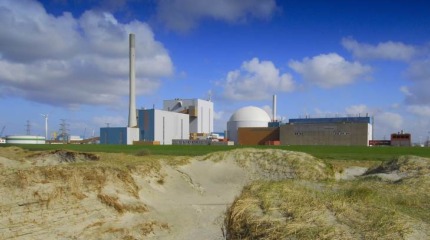
In 2022, in light of concerns about the security of supply in the context of the energy crisis and the Russian war against Ukraine, the Belgian federal government decided to keep the two newest Belgian nuclear power plants – Doel-4 and Tihange-3 – in operation for an additional 10 years.

Doel-4 and Tihange-3 had their life extended an additional 10 years in response to the energy crisis and the Russia-Ukraine war
Belgium’s government had earlier announced plans to secure the country’s reliance on nuclear energy, aiming for a 4 GW share in the electricity mix as part of efforts to secure a carbon-free baseload capacity. The four reactors that remain in operation (Doel-2, Doel-4, Tihange-1 and Tihange-3) have a net capacity of around 3.4 GW.
Source: NucNet