Advances in the production of new medical isotopes
Tratamiento de tumores con lutecio-177
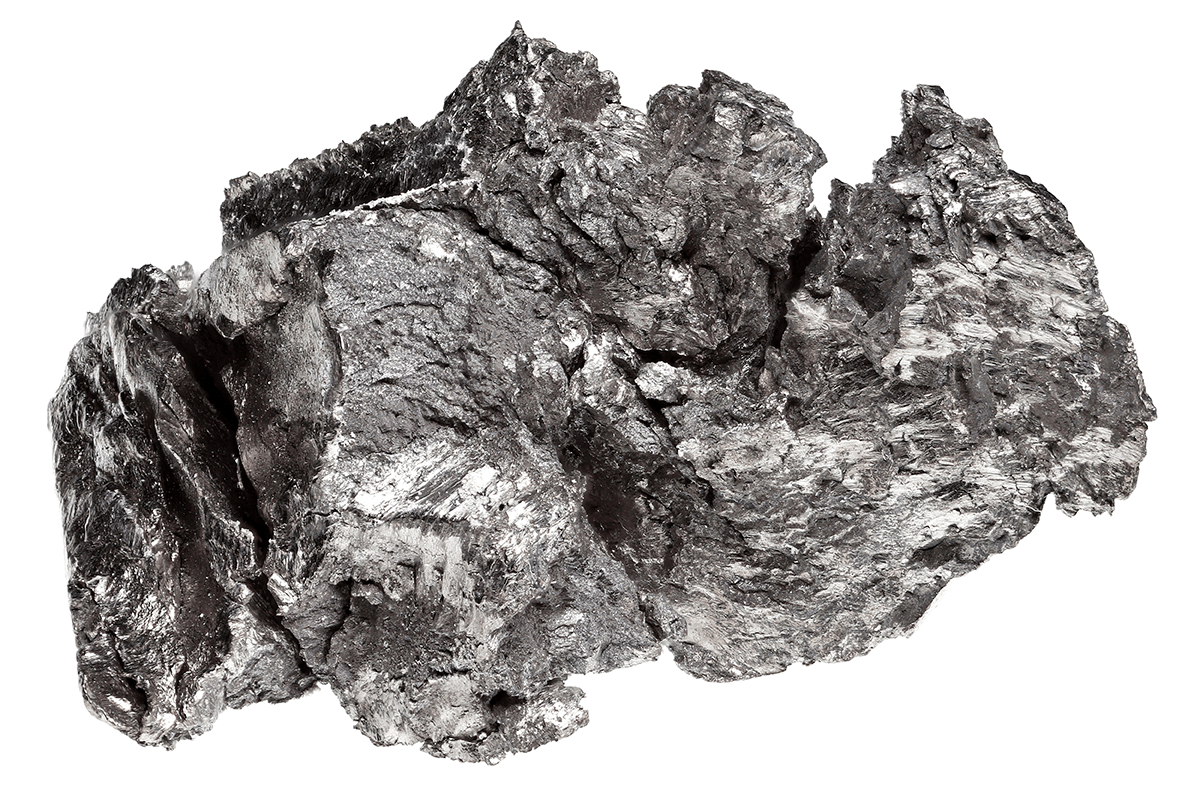
Lutetium-177 (Lu-177) is a radioactive medication used for the treatment of neuroendocrine and prostate tumors. Its potential use in treating other types of cancer is also being currently researched.
With a half-life of 6.64 days, Lutetium-177 is produced by exposing the stable isotope ytterbium-176 to high-flux neutron radiation.
Treatments based on this isotope, such as theranostics, are highly effective and non-invasive. They are designed to precisely target malignant cells without affecting surrounding healthy tissues.
Treatments with Lu-177 are highly effective and non-invasive
Bruce Power, leader in medical isotopes
The Bruce Power Nuclear Plant has been a leader in medical isotope production for over 35 years, playing a crucial role in medical innovation.
In 2022, Bruce Power became the first commercial nuclear reactor to produce Lutetium-177 using a unique Isotope Production System (ISP).
Bruce Power (Canada) is the first commercial nuclear comercial to produce Lu-177, but other sites are coming on board in different parts of the world like Spain and the Netherlands
The isotopes produced at Bruce Power (cobalt-60 and lutetium-177) are used in the global fight against cancer, the treatment of diseases and sterilization of food against pathogens.
Trillo Nuclear Power Plant
The Trillo Nuclear Power Plant, in collaboration with Framatome, aims to join this forefront by producing lutetium-177 in its reactor located in the Spanish province of Guadalajara. It is currently in the trial phase to study the feasibility of the project in the near future.
The Spanish nuclear power plant in Trillo is conducting tests to assess the feasibility of commercial production of lutetium-177.
The Netherlands
In the Netherlands, a license has just been granted for the construction of Pallas, a project of crucial importance to the production of medical isotopes. This milestone underscores the global commitment to cancer research and treatment.
The Pallas reactor will replace the High Flux Reactor (HFR) in Petten, which currently produces around 40% of the world's isotopes and is nearing the end of its operational life. The transition is expected to take place between 2026 and 2030. Dutch government sources consider this new construction a significant boost for medicine, knowledge, and innovation in nuclear technology.
The importance of innovation
The collaboration between Bruce Power, the Trillo nuclear power plant and the Pallas project in the Netherlands underscores the importance of continuous innovation in the production of medical isotopes. These advancements not only benefit cancer research and treatment but also pave the way for more effective and personalized therapies, enhancing patients' quality of life worldwide.
Sources: Bruce Power, NucNet